
You know that quiet, slightly awkward moment after intimacy when you just want to roll over and rest… but then later, there’s that uncomfortable burning sensation or pressure you wish you could undo. Many older adults brush it off as “just part of aging,” but that small habit you skip might quietly increase your risk of urinary discomfort over time. The good news is, there’s a simple, almost effortless step that can support your urinary tract health and help you feel more at ease and confident again… and most people overlook it.

Why Urinating After Sex Matters More Than You Think
Let’s talk honestly.
During intimacy, bacteria from the genital area can be gently pushed toward the urethra the small tube that carries urine out of your body. This is completely natural, but here’s the catch…
If those bacteria stay there, they may multiply.
And that’s when discomfort begins.
Studies in urology and women’s health have long suggested that simple hygiene habits especially urinating after intercourse can help flush out these bacteria before they settle in. It’s not a cure, not a guarantee, but it’s a smart preventive step.
Here’s the key idea
Urinating acts like a natural rinse for your urinary tract.
Think of it like rinsing dust off your hands before it sticks.
What Happens Inside Your Body If You Skip It
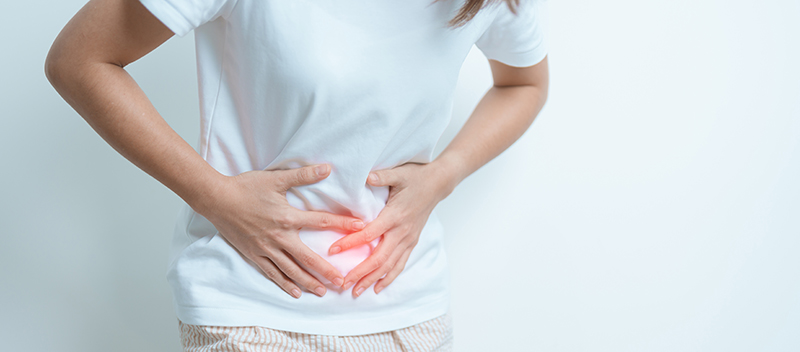
Now, here’s where things get more serious.
If bacteria remain near the urethra, they can travel upward into the bladder. This may lead to irritation or infection, especially in individuals with:
• A shorter urethra
• Weakened immune response (common with age)
• Hormonal changes affecting natural defenses
But that’s not all…
As we age, the body’s natural protective barriers can become less effective. That means even small habits start to matter much more than before.
Common signs something isn’t right:
• Burning sensation during urination
• Frequent urge to urinate
• Lower abdominal discomfort
• Cloudy or strong smelling urine
Ignoring these signs doesn’t make them disappear. In fact, it often makes things worse over time.
Who Benefits Most From This Simple Habit

Here’s the truth many people don’t talk about.
While this habit is helpful for everyone, it becomes especially important as you get older.
You may benefit more if you:
• Are postmenopausal
• Have experienced urinary discomfort before
• Have a history of urinary tract issues
• Notice dryness or sensitivity
Why?
Because hormonal shifts can affect the natural balance of bacteria and moisture in the urinary and genital areas. That makes it easier for unwanted bacteria to linger.
But here’s the reassuring part…
A small habit can make a meaningful difference.
Urinating After Sex vs Skipping It: A Simple Comparison

Let’s break it down in a simple way:
| Habit | What Happens | Potential Outcome |
|---|---|---|
| Urinating after sex | Flushes out bacteria | Lower chance of irritation |
| Skipping urination | Bacteria may remain | Higher chance of discomfort |
| Delaying urination | Bacteria linger longer | Increased risk over time |
Simple. Practical. Effective.
And yet, so often ignored.
Step-by-Step: How to Build This Healthy Habit
Let’s make this easy and realistic.
You don’t need to overthink it.
Follow these simple steps:
Step 1: Don’t Delay
Try to urinate within 15 to 30 minutes after intimacy.
No need to rush immediately but don’t wait too long.
Step 2: Stay Hydrated
Drink enough water during the day.
A well hydrated body makes urination easier and more effective.
Step 3: Keep It Gentle
Avoid harsh soaps or strong products in intimate areas.
They can disrupt natural balance.
Step 4: Make It Routine
Pair it with your normal bedtime or post intimacy routine so it becomes automatic.
Here’s the interesting part…
Once it becomes a habit, you won’t even think about it anymore but your body will thank you.
Common Myths That Need to Be Cleared Up
Let’s clear the confusion.
Myth 1: “It’s only necessary for younger people”
Not true. In fact, older adults may benefit even more.
Myth 2: “If I feel fine, I don’t need to do it”
Symptoms don’t always appear immediately. Prevention matters.
Myth 3: “It completely prevents infections”
No habit guarantees that. But this one supports your body’s natural defenses.
And that’s the key word
Support, not perfection.
Small Habits That Work Together for Better Urinary Health
Urinating after sex is powerful but even better when combined with other habits.
Consider adding these:
• Drink enough water daily
• Wear breathable cotton underwear
• Avoid holding urine for long periods
• Maintain gentle hygiene routines
• Stay physically active
Research in general health and aging suggests that consistent small habits often have a greater long term impact than occasional big changes.
So don’t aim for perfection.
Aim for consistency.
Conclusion: A Small Step That Supports Your Comfort and Confidence

Let’s bring it all together.
Urinating after sex isn’t complicated, expensive, or time consuming. But it plays a quiet, supportive role in helping your urinary tract stay balanced and comfortable.
It’s one of those habits that seems too simple to matter…
Until you skip it.
And here’s the open secret we mentioned earlier
The habits that feel “too small” are often the ones your body relies on the most.
FAQ: Common Questions People Ask
1. How soon should I urinate after sex?
Ideally within 15 to 30 minutes. There’s no need to rush immediately, but avoid long delays.
2. Is this habit necessary for men too?
Yes, although women are more commonly affected by urinary issues, men can also benefit from maintaining this habit.
3. What if I don’t feel the urge to urinate?
Try to relax and give it a few minutes. Staying hydrated throughout the day makes this easier.
Disclaimer
This article is for informational purposes only and does not replace professional medical advice. If you experience persistent discomfort or unusual symptoms, consult a qualified healthcare provider for personalized guidance.


.jpg)


0 Comments:
Post a Comment