At 13, he was delivering milk in the dark. At 32, he was James Bond. But what happened to him at 40, on a golf course in Morocco, no one saw coming. And she had no idea who he was. Sean Connery was born in a tiny Edinburgh apartment in 1930. His father was a truck driver. His mother was a cleaning woman. The whole family slept in a single room. Life wouldn't give him any breaks, and he knew it from a young age. He worked as soon as he was old enough. He delivered milk before dawn in the cold, dark Scottish weather. He laid bricks. He cleaned swimming pools. And, for a time, he polished coffins in a furniture store. Surrounded by silence and the weight of other people's tragic ends. It wasn't a gruesome job for him. It was just another job. Another way to help his family. But something about that tranquility marked him forever. To earn some money, he posed nude for art students. He wasn't ashamed. His body was just another tool. And his, even then, was already impressive. At 16, he joined the Royal Navy. A few years later, he returned with stomach ulcers and sick leave. But also with an insatiable thirst for a better future. In 1953, on a whim, he entered the Mr. Universe competition. He finished third. In the dressing room, another contestant told him about an audition for a musical. Sean had never acted before. He struggled to read lines without stumbling. But he went anyway. That decision changed everything. For nearly ten years, he survived by taking on small roles. The casting directors told him his Scottish accent was a problem: too rough, too working-class, too rustic. He ignored them. Because Sean Connery possessed something innate: a presence that filled the room before he even opened his mouth. He walked like someone who already knew where he was going. He looked like someone who had seen enough to be unimpressed by anything. In 1962, they needed an unknown to play James Bond in Dr. No. The producers had their doubts. But the director's wife saw him from her window and declared, "This man is perfect for the role." They hired him. The film was a runaway success. The Edinburgh milkman became the world's most famous spy. Overnight, Sean ceased to be Sean. He became Bond. Tailored suits, luxury cars, stunning women, shaken, unstirred martinis. The whole world dreamed of being in his shoes or being with him. But no one knew the boy who had polished coffins or the young man who had posed nude for a few coins. He made several James Bond films. He grew tired of the character. He complained about his salary, his working conditions, being typecast. Journalists criticized him. Fans adored him. And amidst this whirlwind, Sean remained, deep down, the son of the truck driver and the cleaning lady. But the most important moment of his life was yet to come. In 1970, at a golf tournament in Morocco, he met Micheline Roquebrune, a French-Moroccan painter. She noticed a tall, charming man with a kind gaze. She observed his walk, the way he treated the waiters, his frank and natural laugh. And she had no idea who he was. She had never seen a single one of his films. She didn't know he was James Bond. To her, he was simply Sean. Perhaps that was precisely what Connery had been searching for his whole life: someone who would look at him without seeing 007. Someone who wouldn't ask for a photo or an autograph. Someone who wouldn't inquire about his past with this or that actress. Micheline, however, saw him. The man who had slept in a room with his entire family. The man who had posed nude for a few coins. The man who still carried the shadow of the boy who polished coffins. They married in 1975 and remained together for forty-five years. Forty-five years of travel, shared silences, daily arguments, and breakfasts in pajamas. While the world continued to see Sean Connery as a living icon, Micheline watched him snore on the sofa. While fans begged him to say "Bond, James Bond," she asked him to take out the trash. But decades later, in 2020, when Sean was ninety years old and the world was preparing to say goodbye to its hero, an unexpected event occurred. An event that even the screenwriters of his films couldn't have imagined. An event that took place in a quiet room in the Bahamas, in Micheline's presence… What happened in that room? And how did that moment, more than any other, become the true and lasting proof?
From his humble beginnings in Edinburgh to his destiny as a global star, Sean Connery hid behind the image of James Bond a man in search of simplicity and sincere love.
For years, he walked the damp streets of Edinburgh before dawn, never imagining that the whole world would one day know his name. Yet, behind the impeccable suits and legendary confidence of James Bond, hid a man marked by a humble childhood and a deep need for simplicity. What if Sean Connery's greatest victory ultimately had nothing to do with cinema?
A childhood away from the spotlight
Long before becoming a screen legend, Sean Connery grew up in a working-class neighborhood in Edinburgh, Scotland. His father worked as a delivery driver and his mother cleaned houses to help make ends meet. In their small apartment, basic necessities often took a backseat to comfort.
From a very young age, Sean understood that he had to contribute to the family expenses. He then took on a series of odd jobs: milkman, construction worker, truck driver, and even salesman in a furniture store. This demanding period forged his character and gave him the solid presence that audiences would later discover in films.
This difficult daily life also teaches him something valuable: to keep a cool head, even in complicated moments. A quality that will become his trademark in front of the cameras.
The chance encounter that changed his life
At first glance, nothing seemed to destine Sean Connery to become an actor. Yet, in the early 1950s, an unexpected opportunity came along and changed his destiny. After participating in a bodybuilding competition, he heard about an audition for a musical.
The young Scotsman hesitates. He has no artistic training or stage experience. But he dares to take his chance. And sometimes, a single decision is enough to transform an entire life.
For several years, he landed small roles on television and in the theater. Producers found him too rough around the edges, not sophisticated enough for the standards of the time. Yet, it was impossible to ignore his natural presence. Sean Connery possessed that rare blend of charisma and mystery that immediately captivated the viewer.
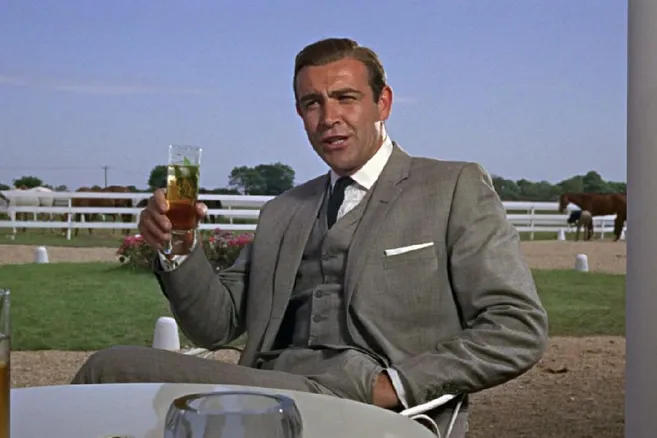
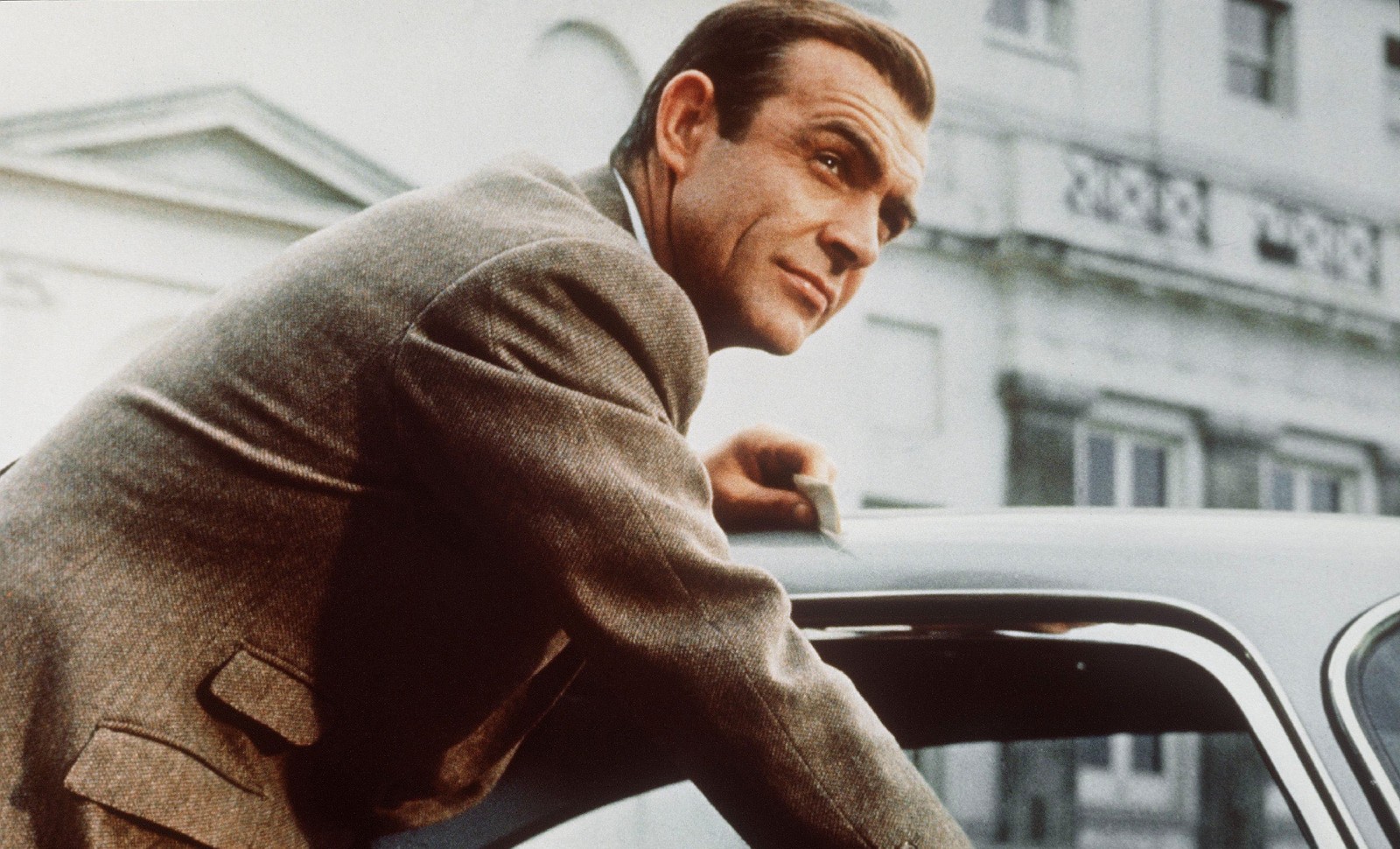
In 1962, everything changed when he landed the role of James Bond in the filmDr. No.The success was immediate. With his casual elegance and instantly recognizable voice, he became the most famous spy in the world.
Behind James Bond, a discreet man
Success brings travel, red carpets, and public admiration. But behind the image of the self-assured hero, Sean Connery remains deeply attached to his humble origins.
Over the years, he sometimes grows tired of the James Bond character. He fears being trapped in a single image, as if the world were forgetting the man behind the celebrity.
And it is precisely far from the film sets that her life takes an unexpected turn.
The encounter that changed everything in Morocco
In 1970, during a golf tournament in Morocco, Sean Connery met Micheline Roquebrune, a French-Moroccan artist. That day, one detail made all the difference: she was completely unaware that he was a global star.
She simply notices an elegant, funny, and thoughtful man. Not a famous actor. Not James Bond.
For Sean Connery, this encounter was like a breath of fresh air . Micheline wasn't interested in the limelight or prestige. She appreciated his simplicity, his humor, and his way of remaining true to himself despite his fame.
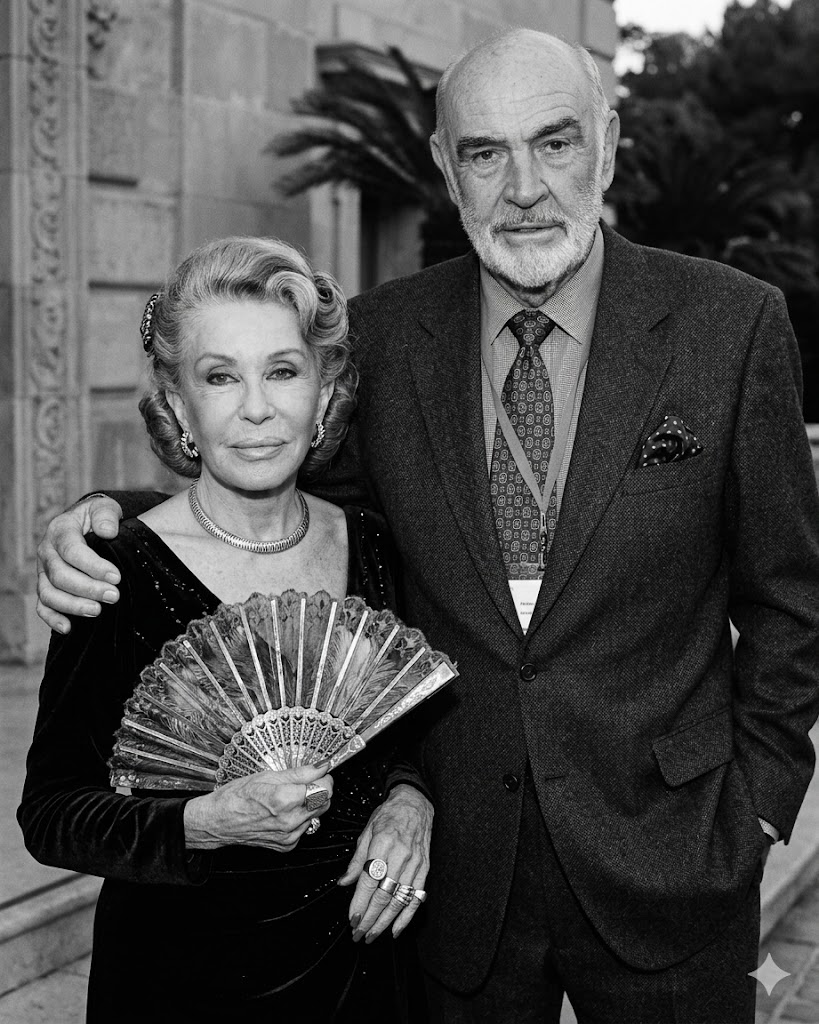
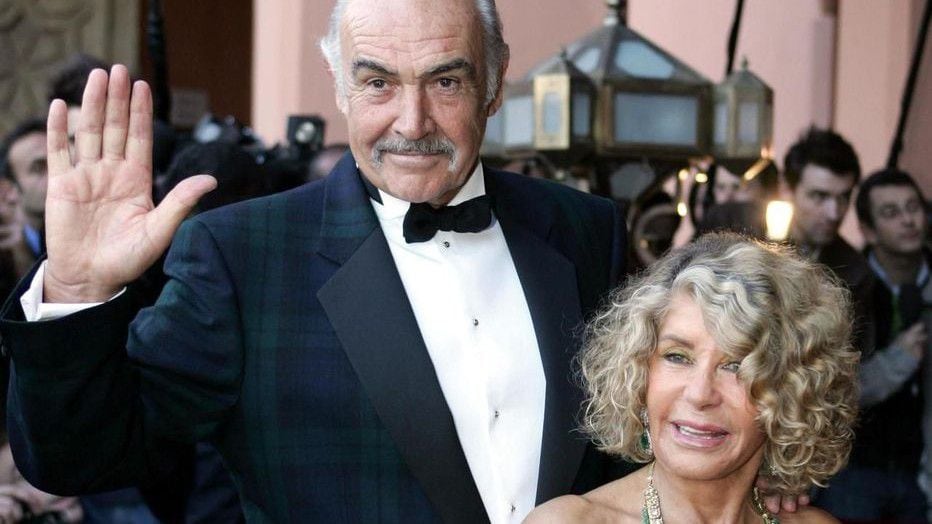
The couple married a few years later and shared over forty years of life together. A discreet story, far from the Hollywood tumult, made up of travels, small daily rituals and simple moments.
Ultimately, Sean Connery discovers that the greatest role of a lifetime is sometimes the one where you can finally be yourself. A lesson full of genuine simplicity that continues to resonate with generations.





0 Comments:
Post a Comment